Using retinoic acid and minoxidil together helps your skin absorb the medicine needed for healthy hair growth.
Get Your Custom Hair Growth Plan
Using retinoic acid and minoxidil together is a clinically proven way to improve hair growth. Retinoic acid boosts the sulfotransferase enzyme that activates minoxidil in the scalp, turning non-responders into responders (Wiley). This synergy powers prescription-strength, compounded formulas for better results.
What Is Retinoic Acid and How Does It Support Hair Growth?
Retinoic acid is a strong form of Vitamin A. You might know it as tretinoin. In skin care, doctors often use it to treat acne or signs of aging. But it also plays a big role in how your hair grows. It helps the skin on your scalp stay healthy and clear. This makes it a great choice for those who want to fix hair loss at the root.
This part works by speeding up how fast your cells grow and change. This is called cell turnover. When your scalp has fresh cells, your hair follicles can work better. A healthy scalp is like good soil for a plant. If the skin is clogged or dry, hair has a hard time growing. Retinoic acid helps keep the scalp ready for new growth.
The role of tretinoin in hair health
You may have heard of retinol in store creams. Retinol is a mild form of Vitamin A. Your skin has to change it into retinoic acid before it can work. Tretinoin is different because it is already in the active form. This makes it much stronger than what you find at a local shop. Because it is so strong, you need a doctor to help you use it.
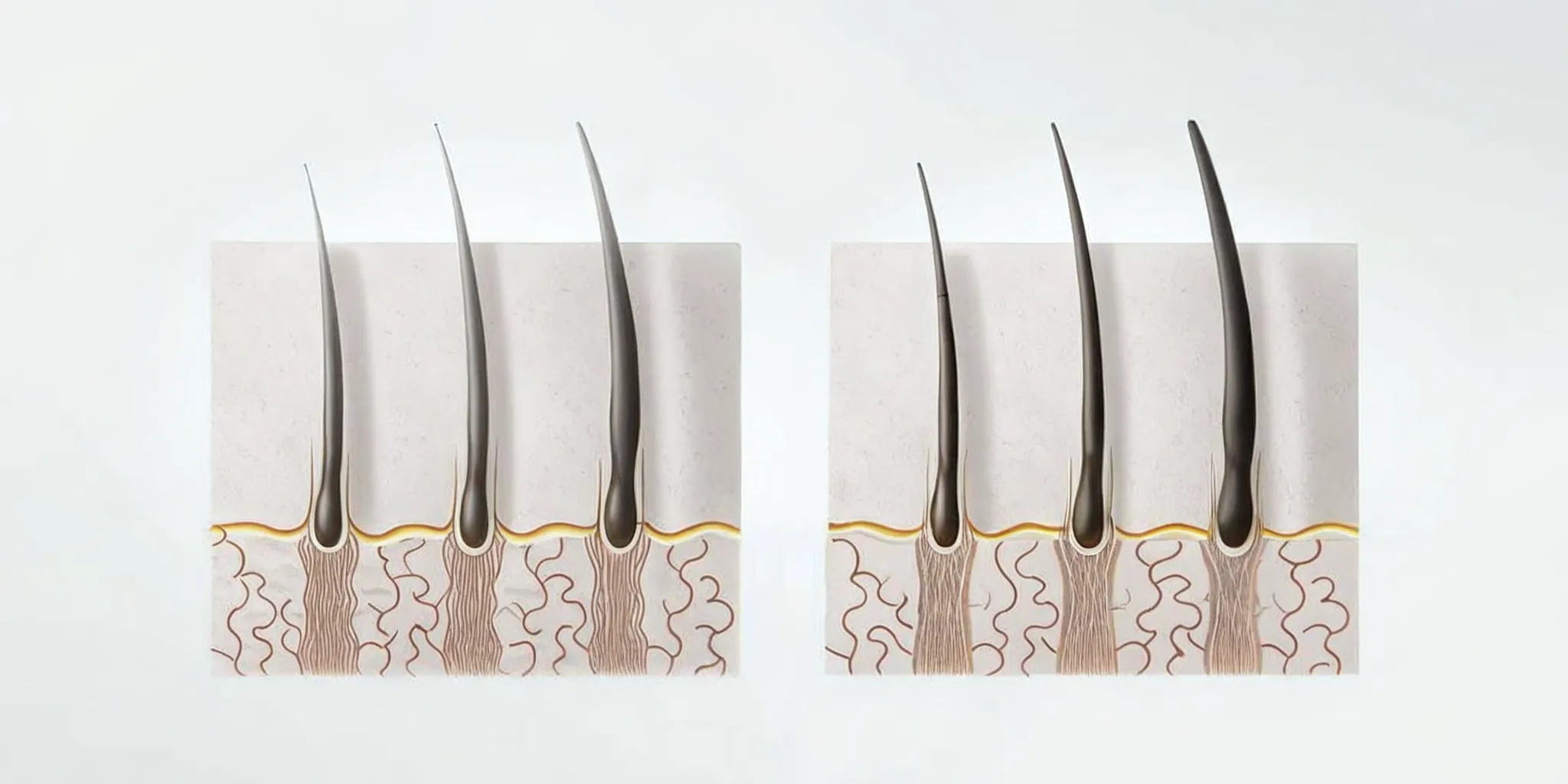
When you put it on your scalp, it helps clear away dead skin. It also helps the health of the tiny tubes that grow hair, which we call follicles. By keeping these tubes clear and active, tretinoin helps your hair stay in the growth phase for a longer time. This can lead to hair that looks thicker and fuller as the months go by.
How retinoic acid and minoxidil work together
One of the best ways to use this tool is with other hair loss drugs. Many doctors suggest using retinoic acid and minoxidil at the same time. While minoxidil brings more blood to the hair, tretinoin helps the skin soak it up better. Research shows that tretinoin enhances minoxidil response in people with hair loss. It makes the treatment work better by helping it reach where it needs to go.
Using these two tools together is a smart move. It takes a simple plan and makes it work harder for you. You can find more about tools that help hair growth in our recent guide. By picking parts that help each other, you give your scalp the best chance to grow new hair.
Benefits of prescription-strength formulas
Since tretinoin is very strong, it is often found in special blends. Licensed experts make these in a process called compounding. These compounded topical blends mix minoxidil with a small amount of retinoic acid. This mix is built to get the best results while keeping your scalp safe from redness or itching.
- Better soaking: Tretinoin helps minoxidil get deeper into the skin.
- Scalp health: It keeps the scalp clear of waste that blocks growth.
- Expert care: A doctor checks your scalp to make sure the strength is right.
- Proven results: Using both tools often works better than using just one.
Choosing a custom blend means your treatment is made for your own needs. It is not a basic product from a shelf. Instead, it is a plan made by experts to help you reach your goals. This medical path ensures you use the right amount of each part for your hair type and scalp health.
The Science of Retinoic Acid and Minoxidil Synergy
Topical minoxidil is the most common way to treat hair loss in both men and women. For many years, it has been the main tool for hair regrowth and enhancing minoxidil absorption. But minoxidil does not work the same for everyone. Some people see great results, while others see very little change. The reason often comes down to how the scalp reacts to the drug deep inside.
How the scalp processes minoxidil
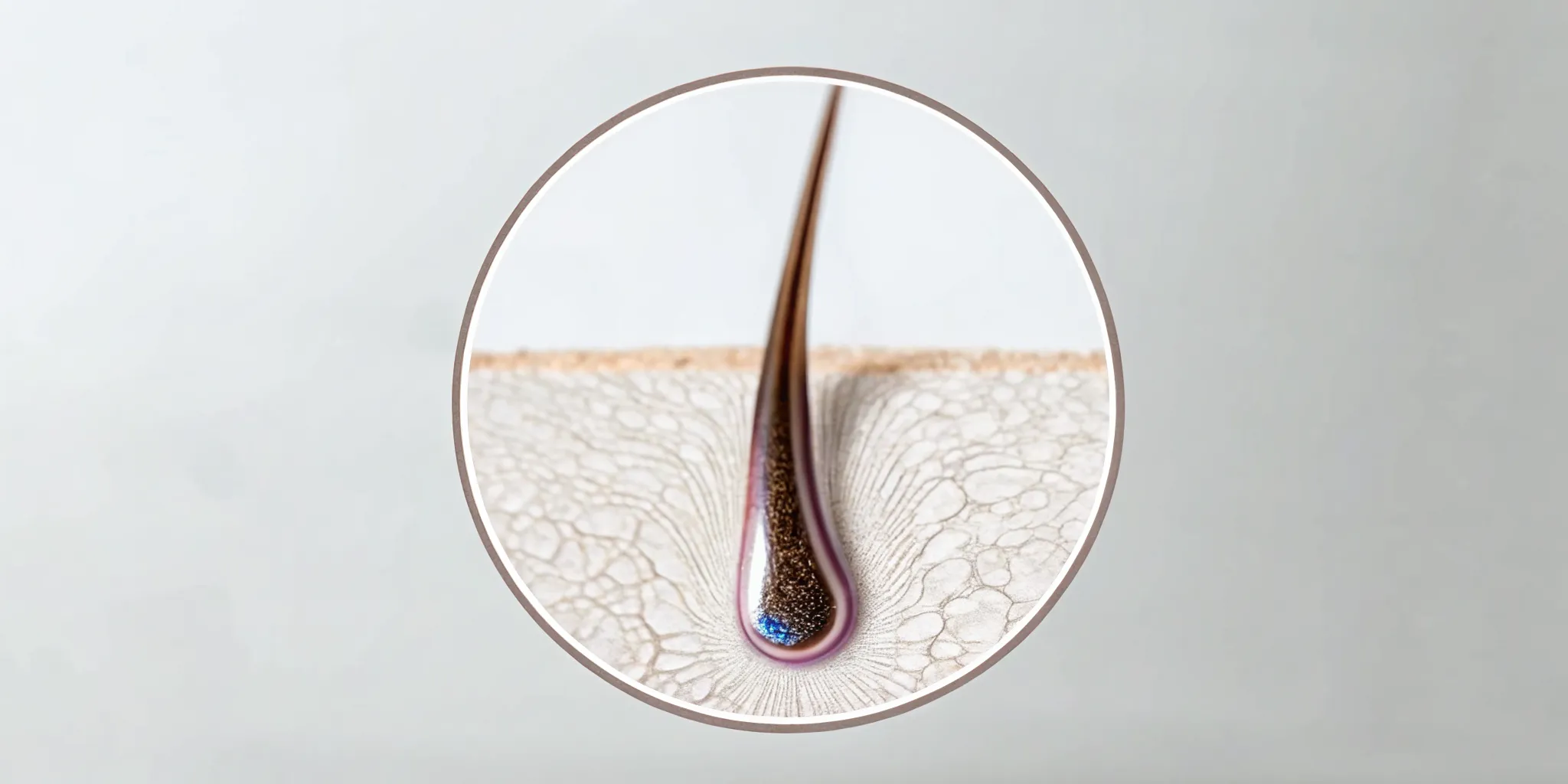
Minoxidil itself is what experts call a "pro-drug." This means it is not active when you first put it on your skin. To start working, it must change into a new form called minoxidil sulfate. This change happens deep inside your hair follicles. A specific enzyme called sulfotransferase, or SULT1A1, carries out this key task. If you do not have enough of this enzyme, the minoxidil stays inactive and cannot help your hair grow.
Research shows that the level of this enzyme varies a lot from person to person. This is why some people are "non-responders" to standard store-bought sprays. According to research on minoxidil response, the amount of SULT1A1 in the scalp is a key factor in how well the treatment works. Without enough enzyme action, even high doses of minoxidil may fail to produce the best hair growth. This natural gap is a major hurdle for many people seeking help for thinning hair.
The role of retinoic acid
Retinoic acid, also known as tretinoin, is a strong form of Vitamin A. Doctors often use it to treat skin issues like acne or fine lines. In hair care, retinoic acid does two main jobs. First, it helps clear away dead skin cells and oils that block the pores. This makes it easier for other drugs to reach the hair root. Second, and more importantly, it changes how the hair follicles act to support growth.
When you use retinoic acid and minoxidil together, they create a strong synergy. Clinical tests show that retinoic acid increases the amount of the SULT1A1 enzyme in the scalp. By boosting this enzyme, retinoic acid helps turn more minoxidil into its active, hair-growing form. This process can turn a "non-responder" into someone who sees real change. It ensures that the treatment you apply actually gets to work where it is needed most in the follicle.
Improving clinical outcomes
Using these two items together is not just about making the drug stronger. It is about making the treatment smarter. Standard products often use a one-size-fits-all way. But your scalp has its own unique needs and makeup. Custom formulas use retinoic acid to prep the skin and prime the follicles. This method helps solve the blocks that stop standard hair loss products from working for many users.
In a clinical setting, this synergy leads to better results with lower risk. When minoxidil works better, you may not need to use as much of it to see a change. This can reduce the chance of scalp redness or itching. By combining retinoic acid and minoxidil, providers can offer a sure path to hair regrowth. This science-led way is why many experts now prefer custom formulas for long-term hair health and fullness. It offers a way to get past the limits of mass-market items.
Clinical Evidence for Combining Retinoic Acid with Minoxidil
Doctors have studied the use of retinoic acid and minoxidil together for many years. Most people know minoxidil as a common way to treat hair loss. But not everyone reacts to it in the same way. New research shows that adding retinoic acid can help more patients see better results. This pairing helps the scalp use the drug much better through careful clinical work and better dosing.
When used together, these two drugs work as a team to fix hair thinning. Minoxidil works to widen blood vessels, while retinoic acid prepares the skin to take in the drug. This dual action is why many doctors now suggest using them at the same time. It is a proven way to boost the power of standard hair loss plans for both men and women.
Converting Non-Responders into Responders
One key study from 2019 looked at patients who did not respond to minoxidil on its own. The team found that many people lack the enzyme needed to turn the drug into its active form. They applied tretinoin, a type of retinoic acid, for just five days to see how the scalp would change. After this short time, 43% of those non-responders became responders who could now grow hair.
This shows how tretinoin enhances minoxidil response by prepping the scalp for the drug. The five-day trial showed that even a short use of retinoic acid can make a big change. It changes the way the skin responds to the drug almost right away. This rapid change helps patients who might have given up on their hair goals in the past.
Improving Scalp Penetration and Absorption
Retinoic acid also helps the skin absorb the hair growth formula more deeply. A 2026 review in Skin Appendage Disorders noted that this combo can lead to a big increase in how the drug enters the system. It can triple the amount of minoxidil that gets to the hair root. By clearing away dead skin cells, it allows for better enhancing minoxidil absorption throughout the day.
This clinical synergy is a main part of the clinically compounded hair growth ingredients used in modern hair plans. Retinoic acid helps the scalp make more of the SULT1A1 enzyme. This enzyme is what changes minoxidil into the active form that grows hair. Without enough of it, the treatment may not work as well as it should. By using this pairing, doctors help more people get the most out of their daily plan.
Real-World Results and Patient Adherence
A large study at Johns Hopkins Hospital compared special formulas to standard ones you find in stores. Patients using a compounded topical minoxidil had much better rates of success over six months. In this group, 84.7% of patients stuck with their daily plan. Only 44.7% of those using basic products did the same. Clinical improvement was also higher, with 69.6% seeing growth compared to just 45% in the other group.
The study also noted that standard products often cause more scalp issues for the user. About 21.2% of people using basic minoxidil reported itching or red skin. These skin issues often lead people to stop their treatment before they see real growth. Compounded options aim to reduce these problems through expert medical review and better formulas that fit each patient's needs. This leads to a safer and more pleasant way to manage hair loss over time.
Retinoic Acid in Compounded Hair Loss Treatments
Most mass-market hair loss products take a one-size-fits-all path. These generic options often use a single active agent at a fixed dose. While this works for some, many people need more targeted care to see real change. Compounded topical treatments allow for better results by mixing several active agents into one formula. Adding retinoic acid to minoxidil is a prime example of how evidence-based hair growth formulas can improve patient outcomes.
Personalized formulas for better results
A major benefit of compounded care is the ability to change the dose for each person. This is helpful for retinoic acid because it can cause skin dryness if the dose is too high. A doctor can start a patient on a low amount and slowly increase it as the scalp adapts. This method helps more people stay with their plan. In fact, research shows that patients using compounded formulas have an adherence rate of about 84 percent, which is much higher than those using store-bought options.
Comparing treatment options
When you look for hair loss help, you will find three main paths. The first is over-the-counter (OTC) minoxidil, which you can buy at any drug store. The second is pre-set prescription blends from large brands. The third is a custom formula made just for you by a pharmacy. The table below shows how these options differ in their use of retinoic acid and other key factors.
| Treatment Type | Retinoic Acid Use | Dose Frequency | Personalization |
|---|---|---|---|
| OTC Minoxidil | None. | Twice daily. | None (fixed 2% or 5%). |
| Ro Hair Solution Rx | Standard Tretinoin. | Once daily. | Limited pre-set blend. |
| Prescribed Essence | Custom 0.01% - 0.05%. | Once daily. | Full clinical tailoring. |
The role of provider oversight
Using a prescription-grade formula means you have medical experts on your side. Licensed providers review each case to ensure the plan is safe and right for the user's hair loss type. This oversight is vital when using retinoic acid, as it makes the skin more sensitive to the sun. At Prescribed Essence, we use a wide range of formulas like M1 through M6 to match your unique needs. You can start your plan by taking a brief online consultation to find the best path for your hair growth goals.
What to Expect When Using Retinoic Acid and Minoxidil
Starting a new hair growth plan is a big step for all. When you use retinoic acid and minoxidil at once, you are using two strong tools. This pair works to help hair grow back by clearing the way for growth. But you must be patient with the process. Results do not come in a single day. You will need to follow a clear set of steps to get the best out of your plan and see a real change.
Your Clinical Path
Your journey begins with a health look at your hair and scalp. A licensed provider will check your needs to make sure this path is right for you. This help is key for a customized hair loss treatment that fits your own goals. They will look at your past to find the best blend of drugs for your skin type. This high level of care helps you stay safe while you work toward thicker hair.
- Complete your online consultation. You will share your health past and clear photos of your hair. A licensed provider will review this info to see if a prescription plan is safe for your body.
- Get your custom formula mixed. If you are a good fit, a pharmacy will mix your fresh formula just for you. This compounding step makes sure you get the right blend of synergistic ingredients for hair growth.
- Apply the spray or lotion once a day. You should use the formula at the same time every day to keep things steady. This helps your scalp stay on a smooth path to new growth.
- Watch for first changes. Most people need to use the plan for three to six months before they see the first signs of new hair. This is the time when your hair roots start to wake up and get strong.
- Check in for full results. It can take six months to a full year to see the best gains in hair count. Your provider will check your progress and can change your plan if you need a new mix.
Tracking Your Growth Timeline
You must keep a steady routine to see real change in your hair. Hair grows in slow cycles, so you will not see new strands right away. In the first few weeks, you may even see a small amount of shedding. Do not worry if this happens to you. This is a normal part of the work. It means new hair is pushing out old hair to start a fresh cycle of growth. This shedding often stops after a few weeks as the new hair takes hold.
By the three-month mark, you might see small, fine hairs along your hair line. These are a sign that the initial results are starting to show. Keep using your plan every day without fail. By six to twelve months, most users see the full benefits of the treatment. Your hair should look thicker and more full by this time. Your provider can help you track these gains with new photos to show how far you have come.
Are There Side Effects When Using Retinoic Acid with Minoxidil?
Adding retinoic acid to a hair care plan can improve results, but it may also cause mild reactions. Most users find that their skin needs time to adjust to new active ingredients. This phase is often called the adjustment or retinization period. During this time, the scalp may feel dry or look red as it adapts to the formula.
Common Scalp Reactions
When you first use retinoic acid and minoxidil together, you might notice some skin changes. These often include flaking, itching, or a light stinging feeling. These effects are usually mild and tend to go away as your scalp gets used to the treatment. Clinical data shows that scalp irritation affects about 21.2% of people who use standard over-the-counter minoxidil formulas.
The risk of dryness is often higher when using high concentrations of retinoic acid. To help with this, many providers start patients on a low dose, such as 0.01%. This slow start helps the skin build a tolerance without too much discomfort. You can learn more about synergistic ingredients for hair growth and how they affect the scalp.
Reducing Risk with Compounded Formulas
One way to reduce side effects is to use a customized hair care plan. Unlike mass-market options, a customized hair loss treatment can be tailored to your skin type. Prescribed Essence often includes extra ingredients like hydrocortisone in its M1 and M4 formulas. This helps to soothe the skin and reduce the chance of redness or itching from the start.
Licensed providers also review each plan to make sure the strength is right for you. If your scalp is very sensitive, they may change the blend to focus on ease of use. This clinical oversight makes it easier to stay on track with your daily habit. Using a formula that matches your needs can lead to a better overall experience and fewer skin issues.
Frequently Asked Questions
Does retinoic acid improve minoxidil absorption?
Retinoic acid, also known as tretinoin, helps the scalp absorb minoxidil more effectively. According to a study in Dermatologic Therapy, tretinoin enhances the hair growth response in people with pattern hair loss. It works by increasing the levels of a specific enzyme in the hair follicles. This enzyme converts minoxidil into its active form, which is necessary for it to work. Using these two ingredients together can lead to better results than using minoxidil alone.
Can retinoic acid and minoxidil be used together?
Yes, these two ingredients are often used together in professional hair loss treatments. Many providers combine them into a single compounded formula for ease of use. This clinical synergy allows the retinoic acid to prep the scalp while the minoxidil targets hair follicles. Because these are prescription-strength components, they require a medical consultation to ensure they are safe for your specific needs. A licensed provider will review your health history before prescribing a compounded hair growth plan.
Is retinoic acid the same as retinol for hair treatment?
Retinoic acid and retinol are both types of vitamin A, but they are not the same. Retinoic acid is the active form that works directly on the skin and hair follicles. Retinol must be converted by the body into retinoic acid before it can provide any benefits. This makes retinoic acid much more potent and effective for clinical hair growth purposes. Most high-quality compounded formulas use the active acid form to ensure patients get the best possible results from their treatment.
How long does it take for minoxidil hair loss treatments to work?
Most patients need to use their hair growth treatment consistently for three to six months before they see initial changes. It often takes six to twelve months of daily use to reach the full benefits of the formula. This timeline is standard because hair grows in slow cycles. Consistency is the most important factor in seeing success with any clinical hair loss plan. If you stop the treatment early, you may not see the hair regrowth you expect.
Ready to See Better Results from Your Hair Treatment?
Waiting to fix hair loss can make the issue much harder to manage later, as roots may stop growing for good. You should act now to help your scalp get the care it needs to stay healthy and stop thinning before it gets worse. A medical path gives you the best chance to keep your hair without having to guess which tools work for your needs. Starting today means you could see a real change in a few months with our tailored hair loss treatment process. Our medical team is here to help you find the right path and provide the daily care you need for safe results.
Ready to schedule? Take the consultation to request your tailored hair growth plan.